Wednesday, 4 June 2025

5 Ways People Are Making Money with AI Tools Online Like ChatGPT

Artificial Intelligence, especially tools like ChatGPT, have opened exciting new avenues for earning money online. Whether you're a tech enthusiast or just starting out, leveraging AI can help you create value, save time, and tap into modern business opportunities. Here are five practical ways people are making money with AI like ChatGPT today.

1. Content Creation and Copywriting Services

Many freelancers and agencies use AI to generate articles, blog posts, social media captions, marketing copy, and more. AI tools accelerate the writing process by providing drafts, ideas, or even full texts that writers can polish and customize.

By offering affordable and speedy content creation services powered by AI, creators can attract more clients and scale their business.

  1. Create blog articles, newsletters, or ad copy for clients.
  2. Develop SEO-optimized content to help businesses rank better on search engines.
  3. Use AI to brainstorm and edit content faster.

2. Building Custom Chatbots and Virtual Assistants

Businesses increasingly want chatbots that can answer customer questions, schedule appointments, or provide product info. Many developers use AI models like ChatGPT to build intelligent chatbots with natural language understanding.

You can monetize this skill by developing and deploying tailored chatbots for websites, online stores, and social media platforms, enhancing service efficiency.

  1. Design AI-driven customer support chatbots for small and medium businesses.
  2. Offer chatbot setup and training as a service.
  3. Integrate AI assistants with popular platforms like WhatsApp or Facebook Messenger.

3. Creating and Selling AI-Generated Art and Media

AI-powered tools are capable of generating unique artwork, music, and videos. Creators use these tools to produce designs for merchandise, book covers, NFTs, or social media content.

Selling AI-generated media as digital products or commercial licenses is a growing online income stream.

  1. Create digital art pieces or logo concepts using AI tools.
  2. Develop and sell NFT art collections.
  3. Produce AI-generated background music or sound effects for content creators.

4. Offering Personalized Tutoring and Educational Content

Some educators leverage AI to generate custom quizzes, explanations, and interactive lessons tailored to learners' needs. AI can assist by generating study guides or providing instant answers to common questions.

You can monetize education by creating AI-enhanced tutoring sessions, online courses, or study tools.

  1. Build tutoring chatbots that answer student queries 24/7.
  2. Create educational content faster with AI-assisted writing.
  3. Design personalized learning plans and materials with AI support.

5. Automating Routine Business Tasks

Many freelancers and entrepreneurs use AI to automate repetitive tasks such as drafting emails, scheduling, data analysis, or generating reports. This saves time and increases productivity, allowing them to take on more clients or focus on higher-value work.

You can also create automation workflows for clients as a service.

  1. Set up AI tools to draft and respond to emails.
  2. Automate content repurposing and social media posting.
  3. Create workflow automation for data entry and customer management.

Making money with AI tools like ChatGPT is becoming more accessible to everyone. Whether you’re enhancing your existing skillset or exploring entrepreneurship, AI tools can help you work smarter, create unique offerings, and open new income streams.


How to Start a Faceless Channel on YouTube and Succeed

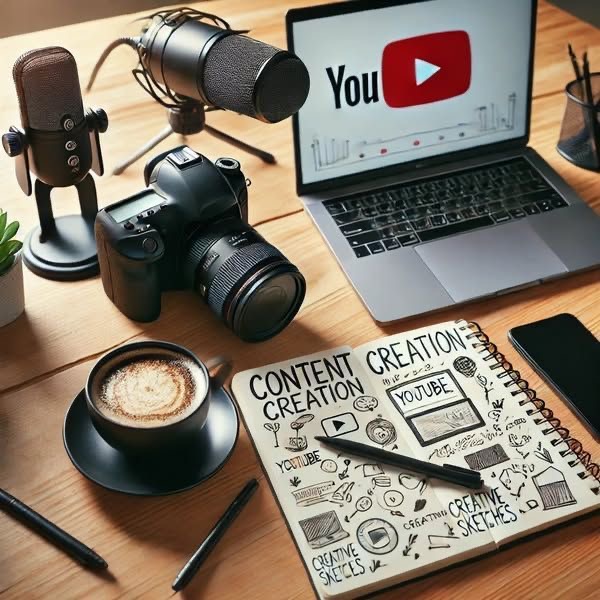
YouTube has become one of the biggest platforms for creators to share videos, build audiences, and earn money. But what if you don’t want to show your face or reveal your identity? That’s where faceless YouTube channels come in — channels that rely on voiceovers, animations, screen recordings, or other creative content rather than personal appearances.

What Is a Faceless YouTube Channel?

A faceless YouTube channel is a type of channel where the creator's face never appears on camera. Instead, the content could be narrated videos, tutorials, animations, compilations, gameplay recordings, or other visuals that don’t require you to be on screen. This approach offers privacy and a lower barrier to entry for many creators.

Why Start a Faceless Channel?

  1. Privacy: Keep your identity private while sharing valuable content.
  2. Lower camera shyness: No worrying about looking camera-ready or personal presentation skills.
  3. Flexible content types: From narration to animations or screen captures, there’s plenty of diversity.
  4. Scalability: Easier to outsource video editing or scriptwriting if you scale later.

Choosing the Right Niche

Picking a niche effectively is key to success. Here are some popular faceless channel niches:

  1. Top 10 Lists & Facts: Interesting facts, countdowns, and trivia.
  2. Tutorials & How-Tos: Software guides, tech reviews, cooking recipes (with hands only), and DIY.
  3. Gaming: Gameplay walkthroughs, tips, and commentary without facecams.
  4. Animation & Storytelling:Animated shorts, explainer videos, or narrated stories.
  5. Product Reviews & Unboxings:Hands-on reviews focusing on the product, no personal face needed.
  6. Meditation & Relaxation:Guided meditations, ambient music, and relaxing visuals.

Creating Content Without Showing Your Face

Here are several ways to create engaging faceless content:

  1. Voiceover Narration: Record your voice explaining content or hire voice actors.
  2. Screen Recording & Tutorials:Use software like OBS Studio or Camtasia to capture your screen.
  3. Stock Footage & Images:Combine with text overlays or voice narration to tell your story.
  4. Animations: Use animation tools like Vyond, Animaker, or Adobe After Effects.
  5. Text-to-Speech Tools: When you prefer not to use your voice, realistic TTS tools such as Amazon Polly or Google Text-to-Speech can help.
  6. Music & Sound Effects:Background music and sound effects enhance engagement (make sure they are royalty-free or licensed).

Essential Tools for Faceless YouTube Channels

To get started, invest in or use free versions of tools for:

  1. Video Editing: DaVinci Resolve, Adobe Premiere Pro, or free editors like Shotcut.
  2. Screen Recording: OBS Studio, Camtasia, or Loom.
  3. Audio Recording & Editing:Audacity, Adobe Audition, or GarageBand.
  4. Thumbnail Creation: Canva, Adobe Spark, or Photoshop to create eye-catching thumbnails.
  5. Royalty-Free Assets: Websites like Pixabay, Pexels, Videvo, and Free Music Archive for videos, photos, and music.

Tips to Grow and Succeed Your Faceless Channel

  1. Consistency Is Key: Upload frequently and stick to a schedule to build audience loyalty.
  2. Optimize for SEO: Use relevant keywords in your titles, descriptions, and tags to help your videos get discovered.
  3. Engage with Your Audience:Reply to comments, ask questions, and foster a community feeling.
  4. Create High-Quality Thumbnails: Make thumbnails attractive and relevant to increase click-through rates.
  5. Collaborate and Network: Work with other creators or promote your videos on forums and social media channels.
  6. Analyze and Adapt: Use YouTube Analytics to track performance and tweak your content strategy accordingly.

Monetizing Your Faceless Channel

Once your channel gains traction, you can monetize through:

  1. YouTube Partner Program:Enable ads once you meet the requirements (1,000 subscribers and 4,000 watch hours in 12 months).
  2. Affiliate Marketing: Promote products and earn commissions on sales via affiliate links.
  3. Sponsorships: Partner with brands relevant to your niche.
  4. Merchandising: Sell branded merchandise or digital products.
  5. Patreon or Memberships: Offer exclusive content or perks for paying supporters.
“Success on YouTube isn’t about showing your face — it’s about showing your creativity, consistency, and passion.” 

Final Thoughts

Starting a faceless YouTube channel is a fantastic way to create content while maintaining your privacy. With the right niche, tools, and strategy, you can build an engaging channel that grows steadily and earns a loyal audience. Remember to be patient — success takes time, creativity, and effort, but it's absolutely achievable.

Ready to get started? Pick your niche, plan your first video, and start creating. The YouTube world is waiting for your unique voice — even if your face stays behind the scenes.


SANTORINI ISLAND IN GREECE

Santorini is one of the Cyclades islands in the Aegean Sea. It was devastated by a volcanic eruption in the 16th century BC, forever shaping its rugged landscape. The whitewashed, cubiform houses of its 2 principal towns, Fira and Oia, cling to cliffs above an underwater caldera (crater). They overlook the sea, small islands to the west and beaches made up of black, red and white lava pebbles.

it’s called the blue stunning island. from the sunset, to the beach, beautiful hotels and its amazing views.

Area: 76.19 km²

Max length: 18 km

Island group: Cyclades

Few Things to do in Santorini Island

  1. Visit a museum
  2. shopping
  3. water sports like canoeing, boat rentals etc
  4. oia walk: The best way to take in Santorini is to walk, and there is no better route than the one from Fira to Oia.
  5. wining and dinning: i heard they have the best of wines and dishes
  6. Visit the beach

It’s definitely a place to visit for honeymoon, family vacay, friends vacay and all types of fun.

Tuesday, 3 June 2025

28 Simple Changes to Achieve a Healthier Lifestyle

Adopting a healthier lifestyle doesn’t have to be overwhelming. Sometimes, small changes can lead to significant improvements in your overall well-being. Here are 28 simple changes you can make to achieve a healthier lifestyle:

Nutrition

https://www.pexels.com/photo/flat-lay-photography-of-vegetable-salad-on-plate-1640777

  1. 1. Drink more water: Aim for at least 8 glasses a day to stay hydrated.
  2. 2. Incorporate more fruits and vegetables: Fill half your plate with colorful produce at every meal.
  3. 3. Choose whole grains: Opt for whole grain bread, pasta, and rice instead of refined options.
  4. 4. Reduce sugar intake: Cut back on sugary drinks and snacks; opt for natural sweeteners when possible.
  5. 5. Plan your meals: Prepare a weekly meal plan to avoid unhealthy last-minute choices.
  6. 6. Practice portion control: Use smaller plates to help manage portion sizes.
  7. 7. Cook at home more often: Preparing meals at home allows you to control ingredients and portion sizes.
  8. 8. Snack wisely: Choose healthy snacks like nuts, yogurt, or fruit instead of chips or candy.

Physical Activity

https://www.pexels.com/photo/women-performing-yoga-on-green-grass-near-trees-1472887

  1. 9. Take the stairs: Opt for stairs instead of elevators whenever possible.
  2. 10. Walk more: Aim for at least 10,000 steps a day; consider using a pedometer to track your progress.
  3. 11. Incorporate strength training: Include bodyweight exercises or weights in your routine at least twice a week.
  4. 12. Try a new sport or activity: Explore activities like yoga, dancing, or cycling to keep things fun.
  5. 13. Stretch daily: Incorporate stretching into your routine to improve flexibility and reduce tension.
  6. 14. Set a workout schedule: Block out time in your calendar for regular exercise sessions.
  7. 15. Find a workout buddy: Exercising with a friend can keep you motivated and accountable.
  8. 16. Limit sedentary time: Take breaks from sitting every hour to stand, stretch, or walk around.

Mental Well-Being

https://www.pexels.com/photo/closeup-photo-of-journal-book-and-pencils-1018133

  1. 17. Practice mindfulness: Spend a few minutes each day meditating or practicing deep breathing.
  2. 18. Keep a gratitude journal: Write down three things you’re grateful for each day to boost positivity.
  3. 19. Limit screen time: Set boundaries for social media and device usage to reduce stress.
  4. 20. Get enough sleep: Aim for 7-9 hours of quality sleep each night to support overall health.
  5. 21. Connect with loved ones: Make time for friends and family to strengthen your support network.
  6. 22. Seek professional help if needed: Don’t hesitate to talk to a therapist or counselor if you’re struggling.
  7. 23. Engage in hobbies: Spend time doing activities you enjoy to relieve stress and enhance happiness.
  8. 24. Volunteer: Helping others can improve your mood and provide a sense of purpose.

Healthy Habits

https://www.pexels.com/photo/people-doing-yoga-in-the-studio-8436589

  1. 25. Set realistic goals: Break larger health goals into smaller, achievable steps.
  2. 26. Track your progress: Use apps or journals to monitor your health and fitness journey.
  3. 27. Stay informed: Read articles or books about health and wellness to stay motivated and educated.
  4. 28. Celebrate your successes: Acknowledge and reward yourself for reaching milestones, no matter how small.

you can gradually create a healthier lifestyle that enhances your physical and mental well-being. Remember, consistency is key, and every small step counts towards a healthier you!

Featured Image


Tips for Increased Visibility and Reach on Your Posts on Social Media

Social media algorithms are the unseen forces that determine what content users see in their feeds. Understanding how these algorithms work is crucial for anyone looking to increase their visibility and engagement on platforms like Instagram, Facebook, and Twitter. In this post, we’ll break down the basics of social media algorithms and provide actionable tips to optimize your content for better reach.

How Social Media Algorithms Work

At their core, social media algorithms are designed to enhance user experience by showing content that is most relevant to each individual user. They analyze various factors, including:

  1. User Engagement: Likes, comments, shares, and saves indicate how engaging your content is.
  2. Relevance: Algorithms assess how relevant your content is to a user based on their interests and past interactions.
  3. Recency: Newer posts are often prioritized to keep feeds fresh and up-to-date.
  4. Relationships: Content from accounts that users frequently interact with is more likely to appear in their feeds.

By understanding these factors, you can tailor your content strategy to align with algorithm preferences and improve your visibility.

Actionable Tips for Optimizing Content

1. Create Engaging Content

Focus on producing high-quality, engaging content that encourages interaction. Use eye-catching visuals, compelling captions, and ask questions to prompt comments and shares.

2. Post Consistently

Establish a regular posting schedule to keep your audience engaged and signal to algorithms that you are an active user. Consistency helps build anticipation and loyalty among your followers.

3. Utilize Hashtags Wisely

On platforms like Instagram, using relevant hashtags can increase your content's discoverability. Research trending hashtags in your niche and mix popular ones with less competitive tags to reach a broader audience.

4. Engage with Your Audience

Respond to comments and messages promptly. Engaging with your audience not only builds relationships but also signals to algorithms that your content is worth promoting.

5. Leverage Stories and Live Features

Utilize features like Stories on Instagram and Facebook or live streaming to connect with your audience in real-time. These formats often receive higher visibility and engagement, helping you stay top-of-mind.

6. Analyze and Adapt

Regularly review your analytics to understand what types of content perform best. Use this data to refine your strategy, focusing on what resonates with your audience.

7. Collaborate with Others

Partnering with other creators or brands can expose your content to new audiences. Collaborations can take the form of guest posts, joint live sessions, or shoutouts.

Final Thoughts

Navigating social media algorithms may seem daunting, but with the right strategies, you can enhance your visibility and reach. By creating engaging content, posting consistently, and actively engaging with your audience, you can work with the algorithms rather than against them. Remember, the key is to focus on building genuine connections and providing value to your followers.

Stay adaptable, keep experimenting, and watch your social media presence grow!

Featured Image

Building a Personal Brand on Social Media

How to Establish and Maintain a Powerful, Authentic Presence Online

In a world where social media dominates how we connect and consume information, building a strong personal brand online is more important than ever. Whether you are a freelancer, entrepreneur, creative, or professional, your personal brand helps you stand out, build trust, and attract opportunities.

https://www.pexels.com/photo/man-in-white-crew-neck-top-reaching-for-the-like-3314294

Why Personal Branding Matters

Your personal brand is essentially your online reputation on how you present yourself, what you stand for, and how others perceive you. A well-crafted personal brand can:

  1. Build credibility in your niche or industry
  2. Attract followers, clients, or collaborators who resonate with your message
  3. Open doors to career and business opportunities
  4. Help you convey your expertise and unique value

Tips to Establish and Maintain Your Personal Brand

1. Define Your Brand Identity and Niche

Before you share content, clarify who you are and what you want to be known for. Identify your passions, strengths, and the niche you want to serve. Narrowing your focus helps you create content that appeals to the right audience and positions you as an expert.

2. Be Consistent Across Platforms

Consistency is key to building recognition and trust. Use the same profile photo, handle or username, and brand colors if possible across your social media accounts. Post regularly with a consistent tone and style that reflect your personality and values.

3. Showcase Your Authentic Self

Audiences crave authenticity. Don’t just share polished content, open up about your journey, struggles, and learning moments. Authentic stories create emotional connections and foster loyalty.

4. Provide Value Through Content

Share your knowledge, skills, and insights in your niche. Educational posts, tips, tutorials, and thoughtful commentary showcase your expertise and attract followers looking for value.

5. Engage Meaningfully

Respond to comments and messages, participate in conversations, and support others in your community. Building relationships not just broadcasting strengthens your brand.

6. Use Visuals That Reflect Your Brand

Visual content is more memorable and shareable. Use colors, fonts, and images that align with your brand identity. Creating a recognizable visual style helps people instantly identify your content.

7. Collaborate and Network

Partner with others in your niche to expand your reach, learn, and create engaging content. Networking can uncover opportunities and grow your influence.

Final Thoughts

Building a personal brand on social media takes time and effort, but the payoff is worth it. By clearly defining your identity, staying consistent, being authentic, and engaging with your audience, you can craft a powerful online presence that opens doors and drives your passion forward.

Remember: Your brand is uniquely yours, embrace it and let your authentic voice shine.


The Art of Digital Detox

Reclaim Your Mind & Life by Unplugging from Technology

https://www.pexels.com/photo/crop-woman-using-smartphone-and-listening-to-music-in-headphones-4467986

In today’s hyper-connected world, our lives are dominated by screens. Smartphones, social media, emails, and endless notifications pull our attention every minute. While technology offers amazing benefits, excessive screen time can lead to stress, anxiety, and burnout.

The art of digital detox intentionally taking breaks from technology is a powerful practice to restore balance, improve mental health, and reconnect with the present moment.

Why Is Digital Detox Important?

Technology overload can exhaust your mind, disrupt sleep, increase anxiety, and create feelings of isolation despite being “connected” online. Constant multitasking and information bombardment reduce focus and creativity. Taking a step back and intentionally unplugging allows your brain to rest and recharge.

Studies show that reducing screen time and exposure to social media can lower stress levels, improve mood, and boost overall well-being. A digital detox encourages mindfulness and reconnects you with the real world outside of your device.

Strategies for a Successful Digital Detox

Starting a digital detox doesn’t mean quitting technology forever, it’s about setting healthy boundaries that work for you. Here are practical strategies to help you get started and stick to it:

  1. Schedule Device-Free Times:Dedicate certain times during the day or an entire day each week to stay off screens completely.
  2. Disable Non-Essential Notifications: Turn off notifications from apps that aren’t urgent to reduce distractions and compulsive checking.
  3. Create Tech-Free Zones: Make spaces like the dining room or bedroom phone and laptop-free to encourage real connections and restful sleep.
  4. Limit Social Media Usage: Set daily time limits or use apps that monitor and control how long you spend on social platforms.
  5. Use a Real Alarm Clock: Avoid starting your day by scrolling on your phone; use an old-fashioned alarm clock instead.

Activities to Replace Screen Time

Filling your previously screen-heavy moments with fulfilling activities can make detoxing much easier and enjoyable. Consider trying:

  1. Outdoor Walks or Nature Time:Fresh air and natural surroundings have calming effects and help you reset mentally.
  2. Reading Physical Books or Journaling: Stimulate your mind with offline reading or reflect by putting thoughts on paper.
  3. Creative Hobbies: Painting, cooking, gardening, or crafting engage your hands and senses in a tech-free way.
  4. Mindfulness and Meditation:Practice being present through deep breathing exercises or meditation to reduce anxiety and increase clarity.
  5. Face-to-Face Interactions:Spend quality time with family and friends without phones to deepen meaningful connections.

Mental Health Benefits of Unplugging

Regularly unplugging from digital devices can improve your mental well-being in profound ways:

  1. Better Sleep: Reduces exposure to blue light, which disrupts your natural sleep cycle.
  2. Reduced Anxiety & Stress: Less comparison and overload from social media feeds ease emotional tension.
  3. Enhanced Focus & Productivity:Decreases multitasking and distractions, allowing deeper concentration.
  4. Greater Mindfulness: Encourages living in the moment, fostering peace and gratitude.
  5. Improved Relationships: More in-person engagement strengthens bonds and communication.

Incorporating digital detox moments into your lifestyle is not only a way to escape technology but a conscious choice to reclaim your time, mental clarity, and happiness.

Start small, experiment with what works for you, and enjoy the freedom that comes from mastering the art of disconnecting